


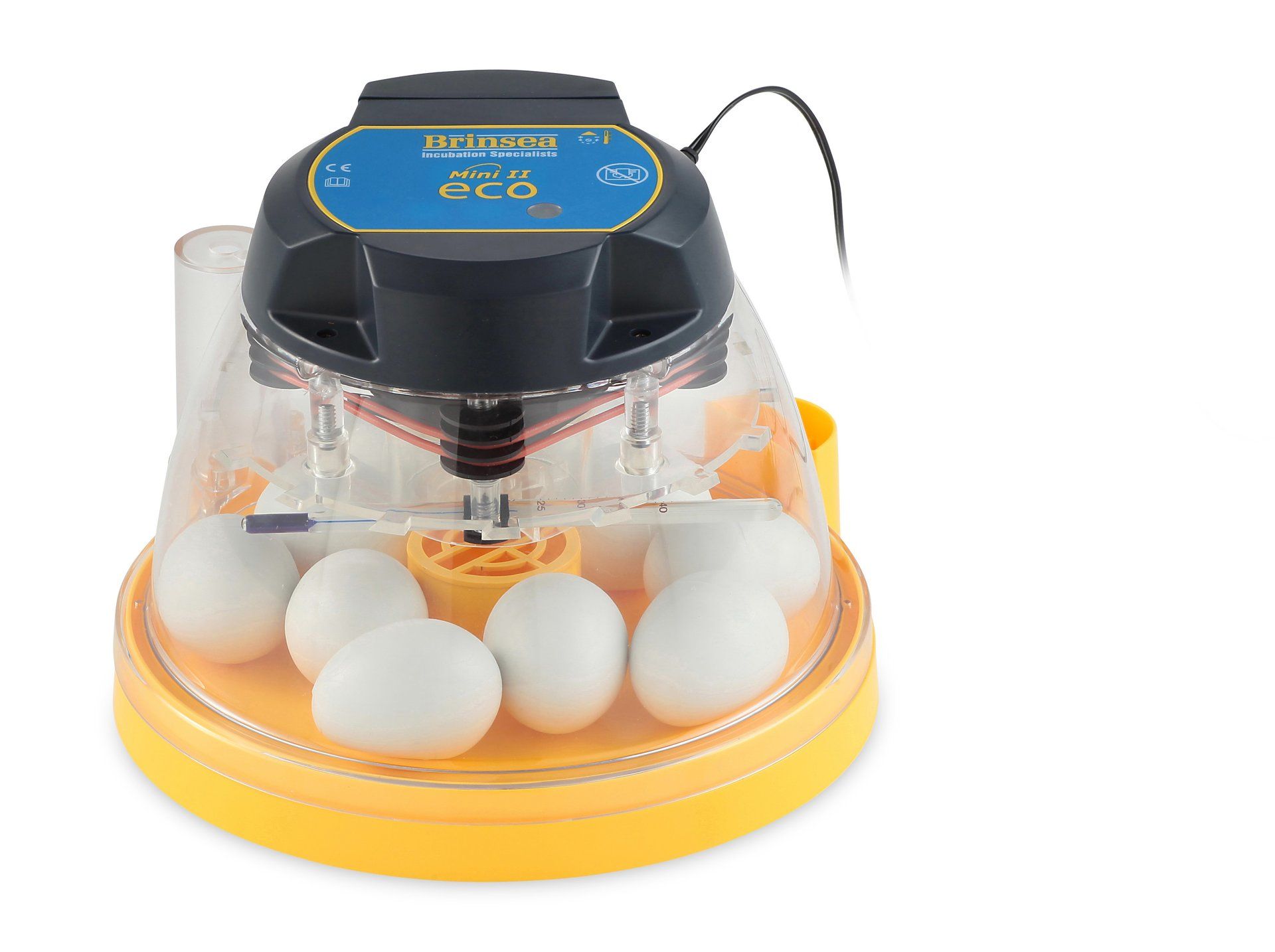


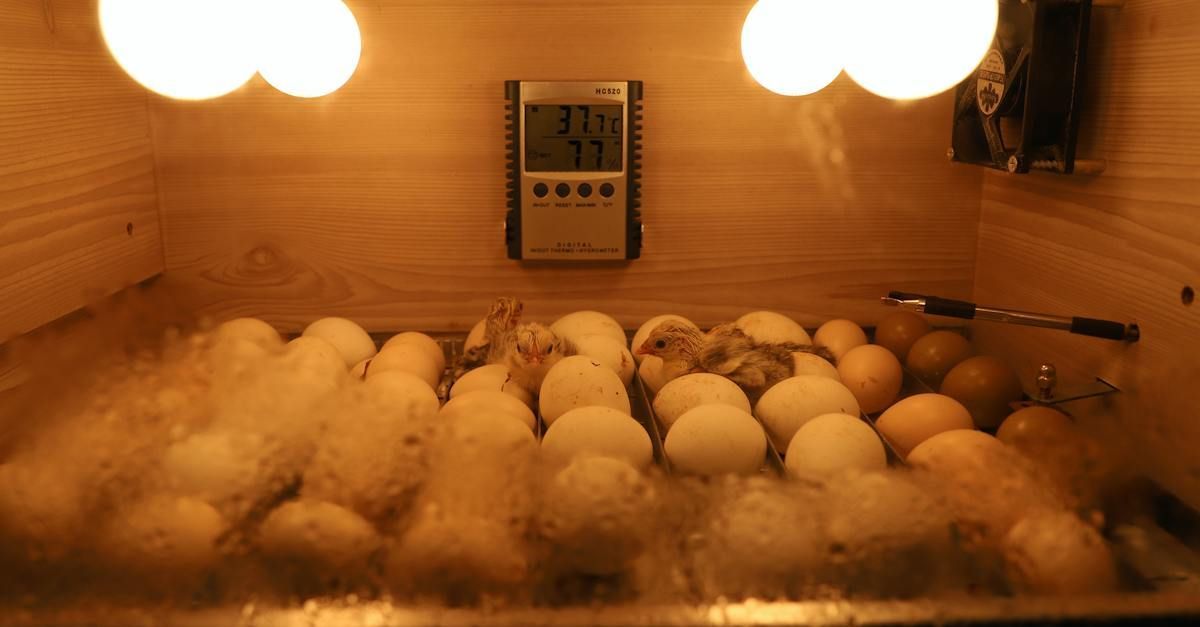
- Place your incubator in a stable environment—not in direct sunlight, near radiators, or in draughts.
- The room should maintain a consistent temperature throughout the day and night.
- Test the incubator’s accuracy with a medical thermometer. Check that it reads 37.5°C where the eggs will sit. Adjust accordingly if the display is incorrect.
- Posted eggs: Let them rest overnight, pointed end down.
- Collected eggs: Can go straight into the incubator.
- In the last 3 days (days 19–21), stop turning the eggs and increase humidity.
- Automatic incubators will turn eggs hourly. If using a manual one, turn the eggs several times daily.
- Avoid opening the incubator unnecessarily—each opening can drop temperature and humidity.
- Chicks should remain in the incubator until dry and fluffy—this can take up to 24 hours.
- Do not rush this process. Chicks can go without food or water for the first 24 hours.
- Move her to a separate, quiet coop with a soft, safe nesting area.
- Confirm she remains broody after the move before setting eggs.
- Aim for 6–8 eggs per hen, ensuring she can cover and turn them all.
- Let posted eggs rest overnight before placing them under the hen.
- Collected eggs can go under her immediately.
- Some eggs may not fertilised.
- In some cases, embryos may stop developing early or be genetically unviable.
- Certain rare breeds can carry lethal genes that affect hatch success.
- Temperature issues are the most common cause of failure.
- We recommend checking your incubator with a reliable thermometer.
- Low humidity can prevent chicks from hatching by drying the membrane or hardening the shell.
- Eggs need to be turned regularly for normal development.
- Poor turning can lead to weak chicks or chicks that fail to hatch.
- Although uncommon, eggs can occasionally be affected in transit.
- There is limited evidence that standard postal handling harms embryos, but disturbance and temperature changes can have an impact.
- Always allow posted eggs to rest (ideally overnight) before incubation to let the air sac settle.
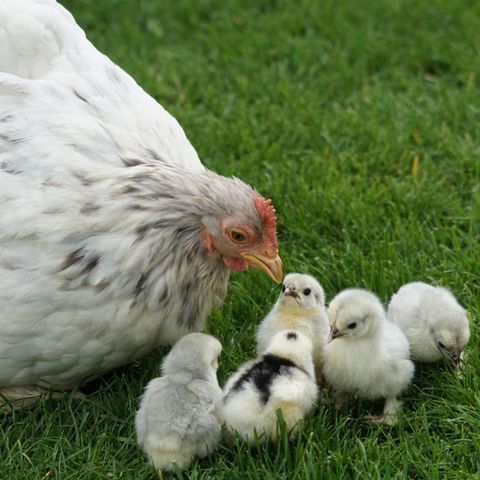
- Some hens may be unsettled or inexperienced.
- Check regularly that eggs are kept warm, turned, and safely in the nest.
- Occasionally, a hen may abandon or injure chicks; in these cases, they should be removed and reared under appropriate heat.
A Note About Male Chicks
Hatching is a natural process, and around half of all chicks will be male.
Male chicks grow into cockerels, which will eventually crow. If you’re unable to keep cockerels where you live, it’s important to plan ahead. This may involve:
- Rehoming them
- Having them humanely dispatched
If neither of these options is suitable, you may wish to consider buying sexed female chicks instead of hatching your own.
Final Thoughts
This is a beginner-friendly guide based on our own experience and feedback from Durham Hens customers. Hatching chicks can be a very rewarding experience, but it’s important to go into it well prepared.
If you’d like to learn more, there are many excellent books and resources available that cover incubation and chick rearing in greater depth.
And if things don’t go to plan, don’t worry—we have
young chicks for sale,
so you can still enjoy the experience of raising chickens.
