
Guide to Keeping Chickens
Preparing for your hens
Free-Range or Run?
Deciding whether to keep your hens free-range or in a run will depend on your space, lifestyle, and how secure your garden is.
- Free-range hens sleep in a coop at night but are free to roam during the day. This is ideal if you have a secure, predator-proof area.
- Runs are enclosed spaces attached to or surrounding the coop. While less natural than free-range, a well-sized and enriched run can keep hens happy and safe from predators—especially useful in urban or suburban areas.
Hen Houses
Hen houses come in a range of styles and sizes:
- Some have integral or detachable runs, while others are designed for use inside a larger enclosure or for free-ranging hens.
- Wooden coops are traditional, but modern plastic houses are becoming popular for their durability and ease of cleaning.
Choose a design that suits the number of hens you plan to keep and ensure it's well-ventilated, secure, and easy to access for cleaning and egg collection.
Bedding
We recommend using wood shavings for coop flooring. Although they can be more expensive than straw, they tend to last longer, making the overall cost similar.
Bedding should be changed every 1–2 weeks, or sooner if it becomes wet or begins to smell.
We mix Red Mite Powder into the fresh bedding to help keep the coop free from mites and other pests.
Both wood shavings and straw are available to purchase from our shop.
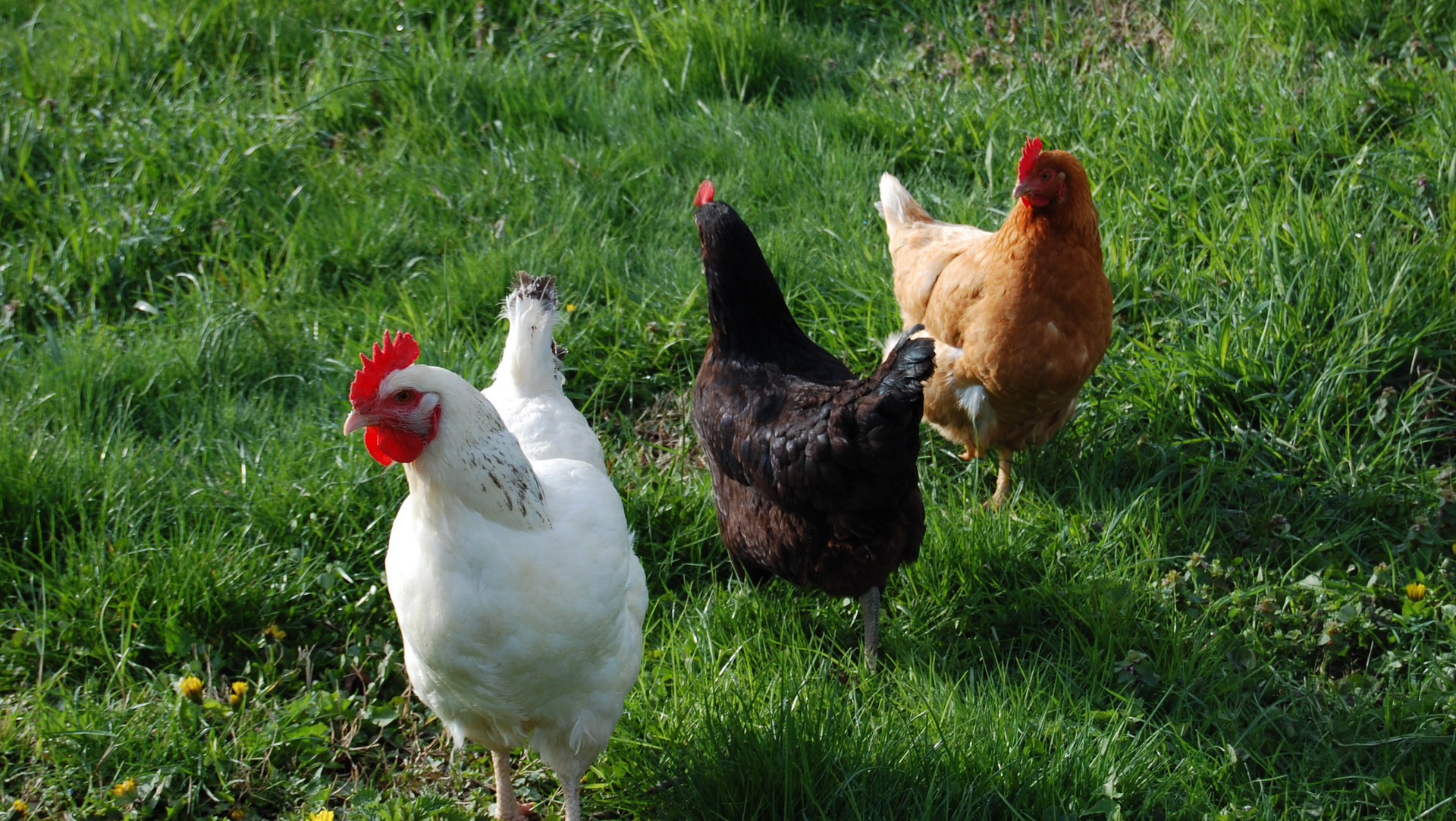
- Hybrid hens tend to start laying earlier and produce more eggs in their first year than pure breeds.
- Buying at point of lay means you get the full benefit of a hen’s most productive laying years.
- We provide cardboard transport boxes for £2 each (holds up to 4 hens).
- We also offer wing clipping for £0.50 per hen—a painless and stress-free procedure that helps prevent hens from flying over fences. This option is available at checkout when purchasing online.
- When transporting hens, keep your car cool, as they can overheat quickly.
- Food and water are not needed during travel for short journeys.
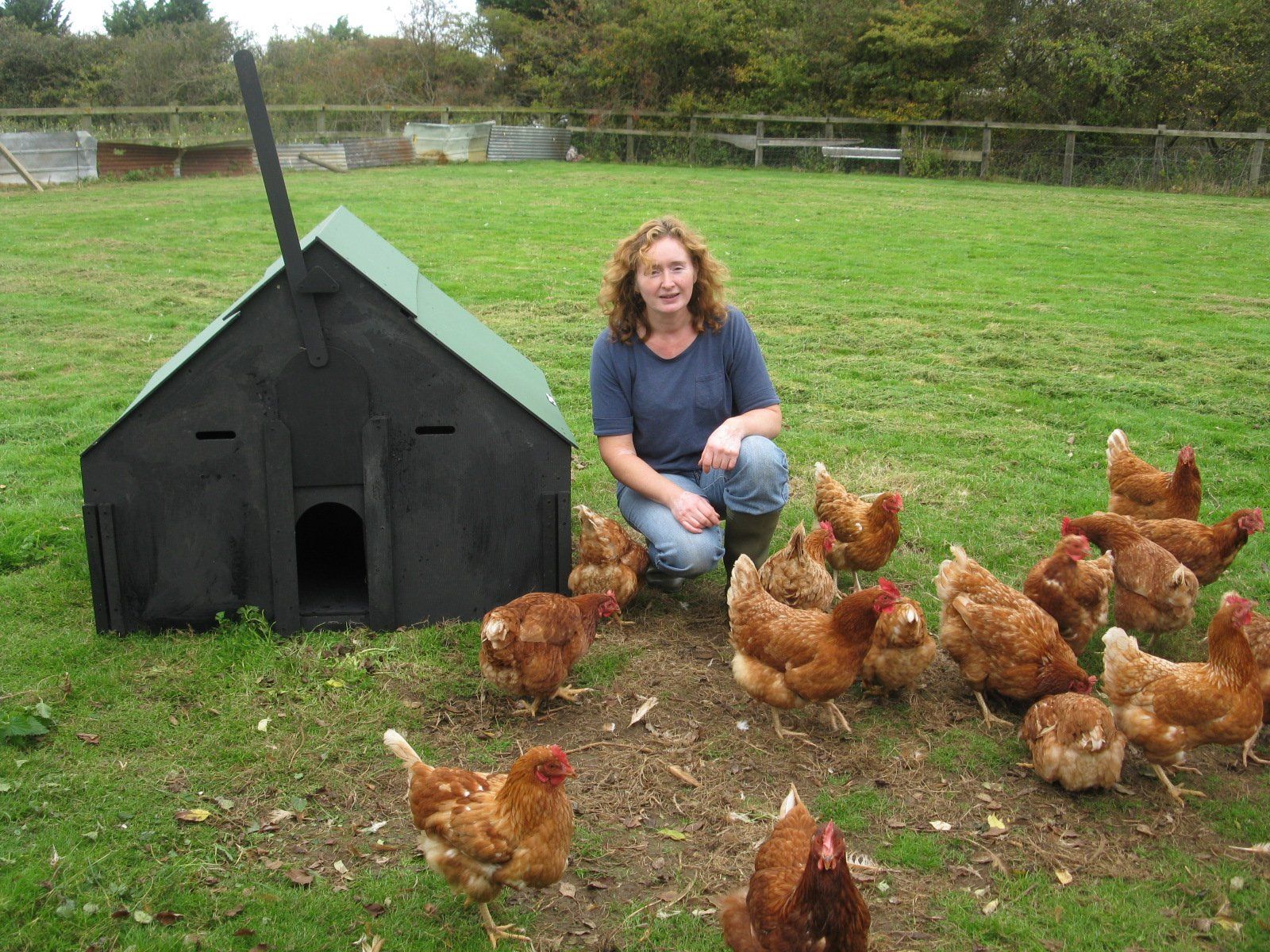
- Hens should have constant access to layers pellets or layers mash. They won’t overeat these feeds, so there's no need to limit their intake. Expect each hen to eat around 1 kg per week.
- Using a high-quality feed makes a big difference — it leads to healthier birds and better-tasting, more prolific eggs.
- Never restrict their main feed, as this can cause a drop in egg production.
- Layers pellets or mash are sufficient during warm months.
- Free-range hens will supplement their diet naturally by foraging.
- You can offer small amounts of mixed corn as a treat, but keep it minimal.
- In cold weather, mix layers pellets/mash with mixed corn in roughly a 4:1 ratio (four parts pellets to one part corn).
- Corn is high in calories, helping hens stay warm and maintain egg production.
- Avoid overfeeding corn — too much can cause hens to gain weight and stop laying.
- Provide clean, fresh water at all times.
- Allow at least 1/3 litre per hen per day, more during hot weather.
- Hens need mixed poultry grit to aid digestion and support eggshell production.
- Grit contains:
- Flint grit – helps grind down food in the gizzard.
- Oyster shell – provides essential calcium for strong eggshells.
- Offer grit in a separate cup so hens can take what they need.
- We recommend using indoor feeders to keep food dry and safe from vermin, especially overnight.
- Drinkers can be kept either indoors or outdoors, but keeping them inside reduces the risk of contamination from wild birds or other animals.
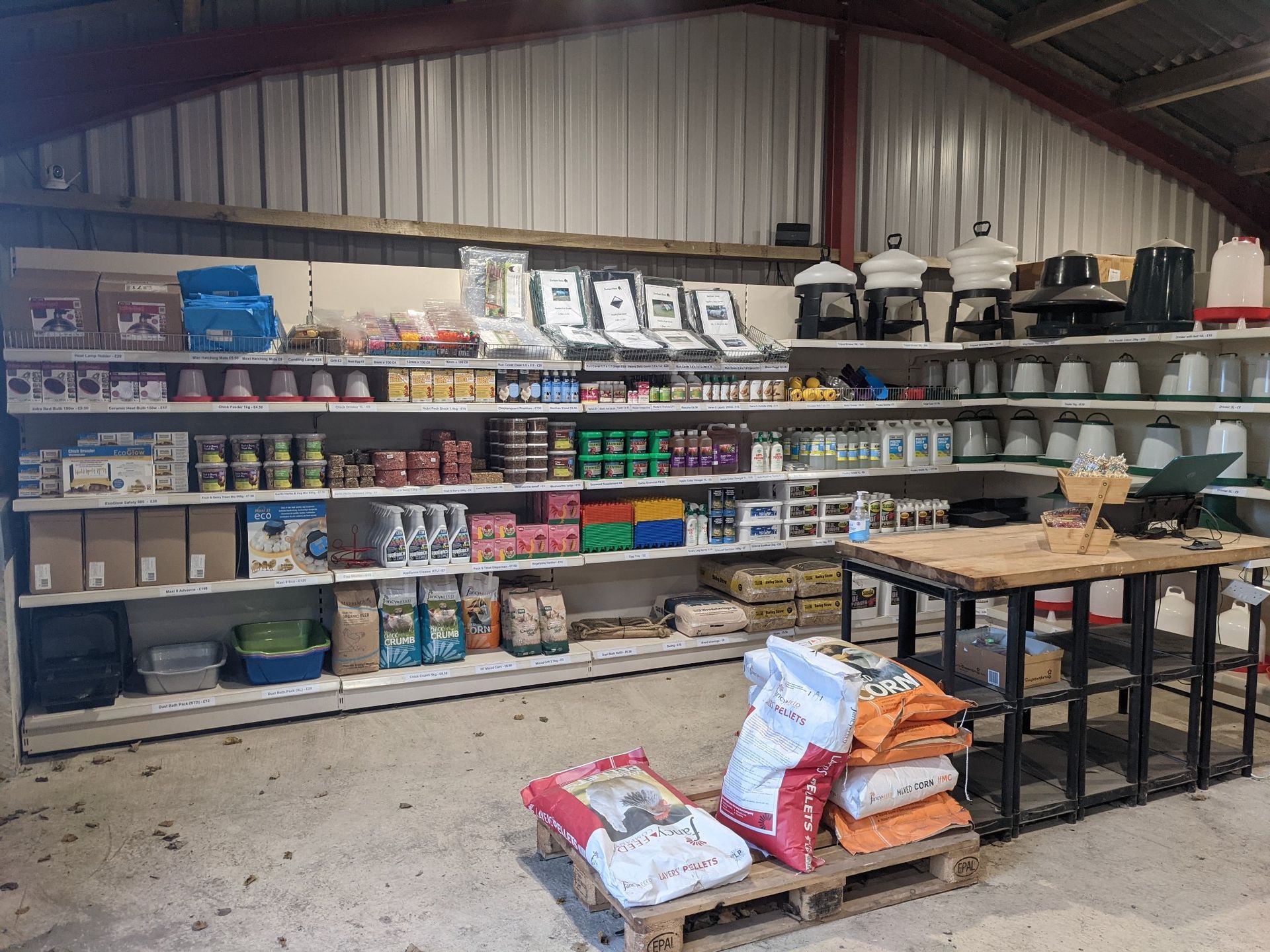
Worming
- Natural preventatives include:
- However, if your hens are already infected, the only licensed treatment in the UK is Flubenvet, which vets will prescribe.
Fleas, Lice & Mites
- Use Red Mite Powder:
- In Dust Baths, which hens will naturally use to clean themselves.
- Directly on the hens, focusing under the wings and around the vent (bottom area).
- Regular checks and preventive treatment will help keep parasites under control.
- They may look scruffy or patchy as they lose old feathers and grow new ones.
- Most hens stop laying temporarily during a moult.
- This is a normal and healthy process. You can support your hens by adding Poultry Spice or Enhance supplements to their feed to speed up feather regrowth.
- Visit our ‘Hen Health’ page for advice and common symptoms.
- Don’t hesitate to consult a vet—many poultry health issues can be treated if caught early.
- Bedding should be replaced every 1–2 weeks, or sooner if it becomes damp or smelly.
- A thorough deep clean of the entire coop should be carried out about four times a year—once per season is a good routine.
- Remove all bedding and scrape out droppings.
- Wash down all surfaces, including perches, nest boxes, and corners where pests may hide.
- Disinfect using a poultry-safe cleaner like Barrier V1, a very effective, non-toxic, organic cleaner and disinfectant.

Feeding in Winter
- Supplement their usual feed (layers pellets or mash) with about 20% mixed corn or maize. These are high in calories and help keep hens warm, which supports winter egg production.
- Layers mash is often preferred in winter because it can be mixed with warm water to make a comforting, porridge-like meal.
- Poultry Spice is a traditional winter supplement that supports general health and encourages laying.
Water in Freezing Weather
- Check drinkers regularly to make sure they haven’t frozen.
- Consider using a heated drinker pad or placing water in a sheltered area to prevent freezing.
- Don’t use metal drinkers outside in freezing temperatures, as they can become icy and difficult for hens to drink from.
- Add extra bedding to insulate the floor—this helps trap warmth and provides a dry, comfortable base.
- We recommend mixing BioDri powder with wood shavings. BioDri is a natural sanitiser and drying agent that helps keep bedding clean and dry.
- For coops with metal floors, place several layers of newspaper underneath the bedding to provide insulation.
- Never block ventilation—even in freezing weather. Moist, stale air is far worse for hens than cold, fresh air and can lead to respiratory issues.
Managing the Run
- Cover the run to keep out rain and snow where possible.
- If there's snow on the ground, your hens may refuse to go outside. Lay down straw or dry bedding to encourage activity and give them something to scratch at.
- Staying active helps keep hens warm and mentally stimulated.
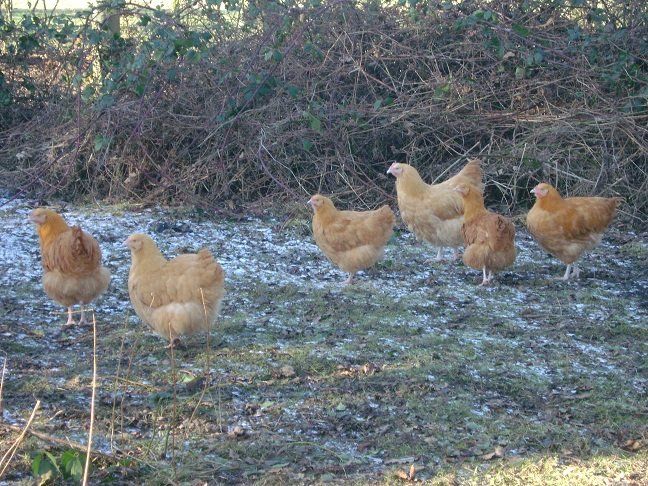
- Minor squabbles are normal, especially when new hens are introduced.
- However, if feather pecking becomes aggressive or blood is drawn, take action:
- Remove the injured hen for a few days to recover.
- Use an anti-pecking spray or gentian violet on wounds to discourage further pecking and prevent infection.
- Watch carefully to ensure all hens are eating. A hen that is:
- Sitting alone with fluffed feathers
- Staying in the coop
- Acting weak or listless
…is likely being bullied off the food. Separate her and monitor her condition closely.
- Introduce new birds after dark, once your current hens have roosted. Hens are calmer and less aggressive at night.
- In the morning, observe them closely. Some pecking and chasing is normal as the new pecking order is established, but it should settle within a few days.
- Make sure new hens are getting access to food and water. The existing flock may try to block them, which can lead to starvation and lowered immunity.
- Providing multiple feeding stations can help reduce competition.
- Always lock the coop securely at dusk.
- Common predators in the UK include:
- Foxes
- Domestic dogs
- Badgers
- Stoats, Weasels, Ferrets, Pine Martens, Mink and even Otters.
- Ensure the coop and run are sturdy and secure, with no gaps that predators can squeeze through or dig under.
- These provide a hands-on introduction to caring for hens, understanding behaviour, feeding, coop maintenance, and more.
- Ideal for beginners or those considering getting hens for the first time.
